Showing posts with label split mountain. Show all posts

Sunday, January 4, 2015

Mud Hills Wash to Elephant Knees | ABDSP


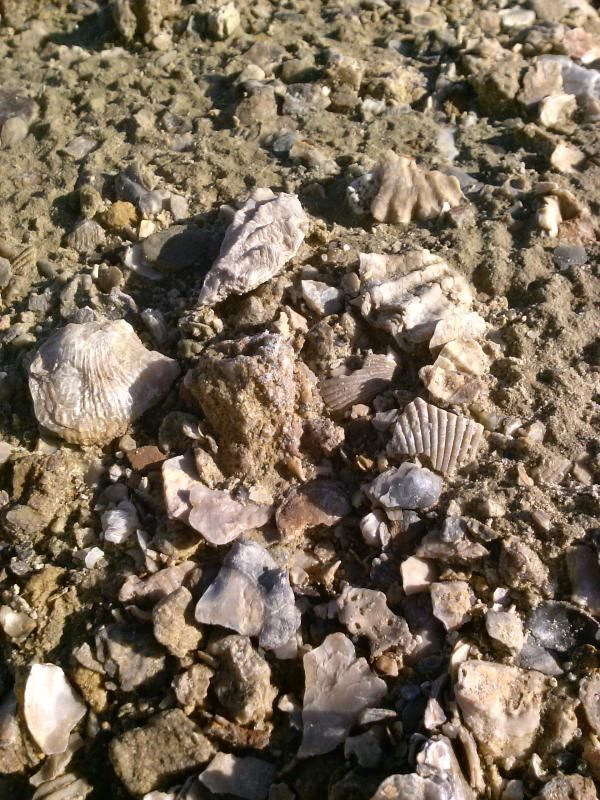
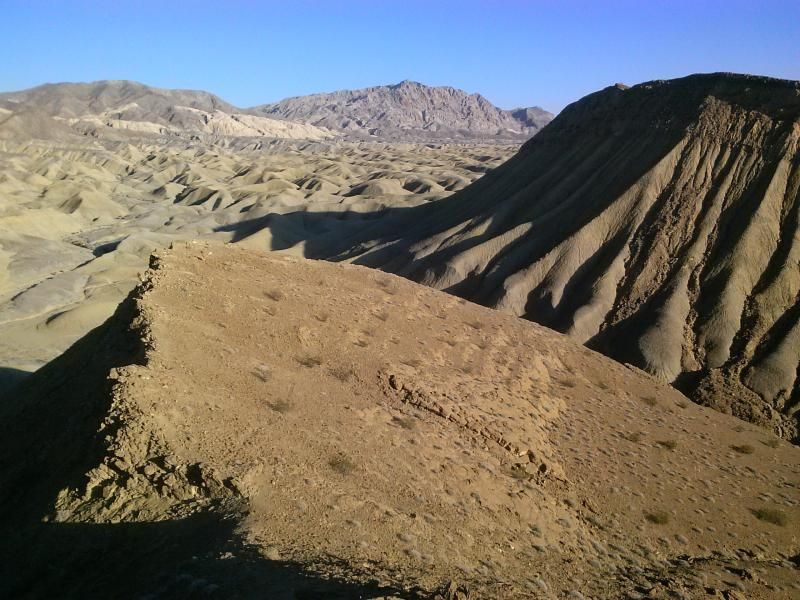
On New Year's day, 2015, I was able to get out of town for hike through Mud Hills Wash, which would be hike #2 of my 52 Hike Challenge.  This five-mile route, in the desolate Carrizo Badlands of Anza-Borrego Desert State Park takes you through the magical mud hills on the edge of the badlands and up to the top of the Elephant Knees mesa where you can see the vastness and density of the area's oyster shell reefs. This area is so dense with fossilized shells and shell fragments that they seem to outnumber the materials in which they are embedded. The view is one where you can take in much of the Fish Creek drainage and trace its geological history.

"This is the desert at its lowest, hottest, and- to the unappreciative eye- most unfriendly. To those who know it well, however, it is a fascinating labyrinth of rugged canyons, twisted arroyos, and mud hills, containing not only some of nature's best examples of earth sculpture, but also a complete sequence of animal fossils. In truth, it's not unfriendly at all. Even the weather is beautiful- at least from late fall into early spring." - Jerry Schad, Afoot & Afield In San Diego County 


Google satellite view of Elephant Knees mesa.

To get to the desert I have to drive through the mountains, which usually isn't an issue. However, with the recent snowfall, I knew the crowds would be flocking to the higher elevations of the county. I was getting a late start so to avoid getting caught in the bumper-to-bumper traffic heading up the highways, I took Boulder Creek Road. This mostly graded dirt route would allow me to bypass the majority of the traffic.
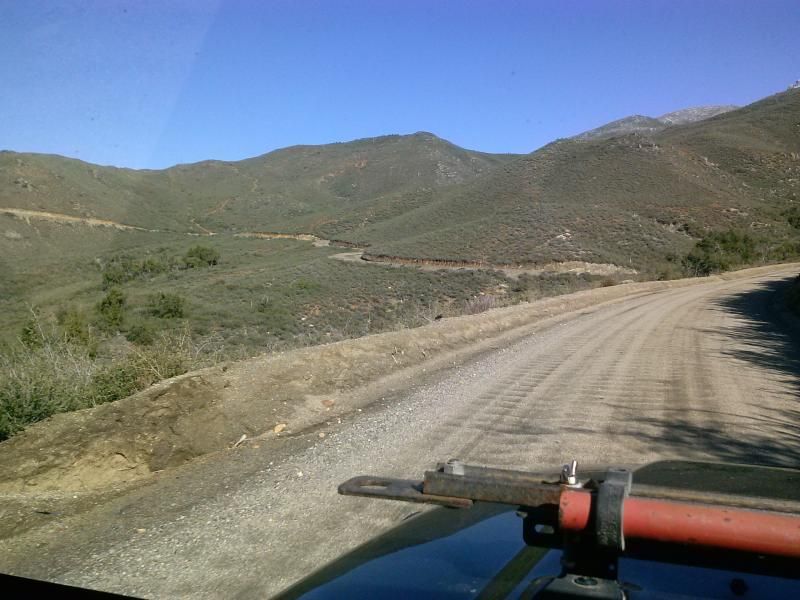
As the route climbs, I begin to see this seldom seem white stuff on the hills above.


Looking west towards El Cajon Mountain, informally known as "El Capitan." Beyond that I could also discern the faint outline Cowls Mountain, the highest point in the City of San Diego.


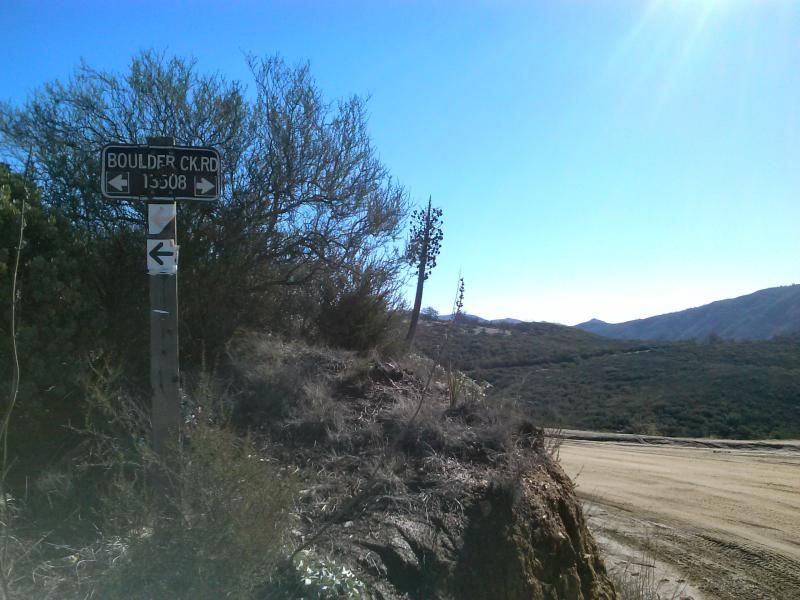
This route takes you through Cleveland National Forest. This sign is located at a hairpin turn in the road and the trail heads for Eagle Peak and Three Sisters Waterfall.

Snow covered mountains of Anza-Borrego Desert State Park come into view as I make my way down Banner Grade.
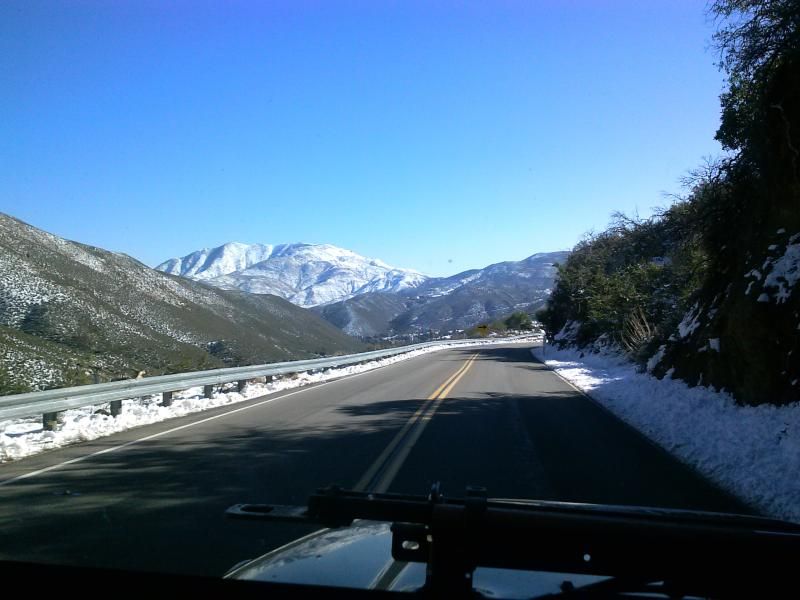

Eventually, I reached Ocotillo Wells SVRA, turned south on Split Mountain Road off Highway 78, and onto the sandy wash of Fish Creek, which is typically dry and firm in late fall and winter but possibly slippery with mud following a major storm. Ahead looms Split Mountain, with cliff-like walls that occasionally shed rock debris onto the trail below. I make a quick stop at the dramatic thumbprint-shaped Anticline- ancient sea floor sedimentary layers that were pushed and buckled by an earthquake eons ago.
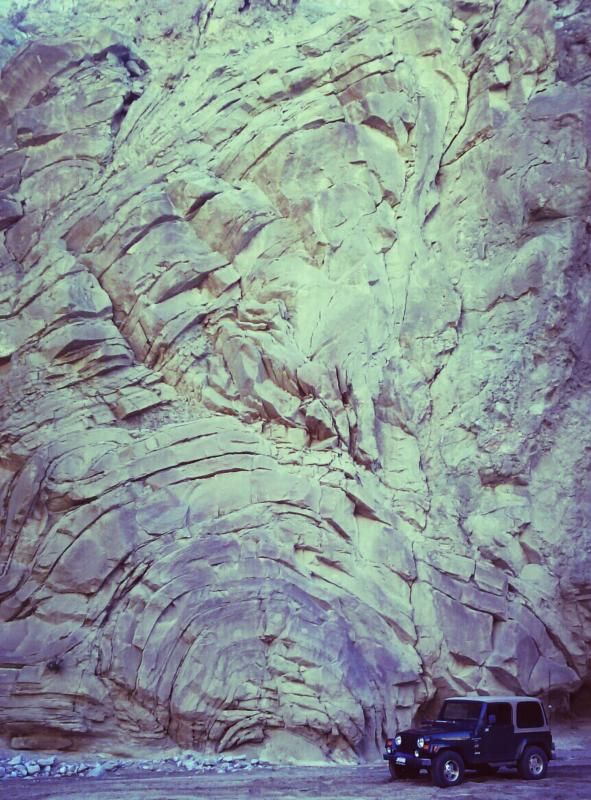

Parked in Fish Creek, along with a number of other folks out enjoying the day.
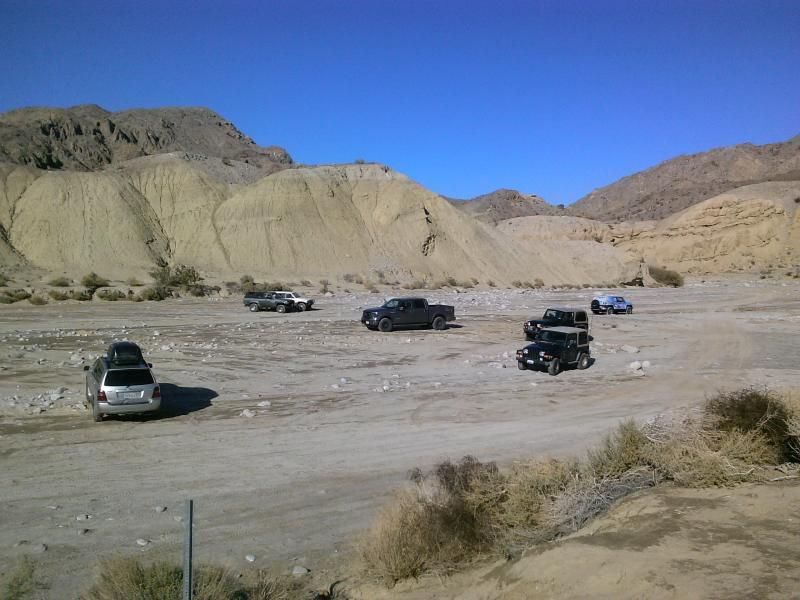


Mud Hills Wash begins just around the bend from the Windcaves trail. It comes into the main fork of Fish Creek 0.3 miles west of the Windcaves trail marker. There is an information panel on oyster shells reefs on a knoll next to it (west side).

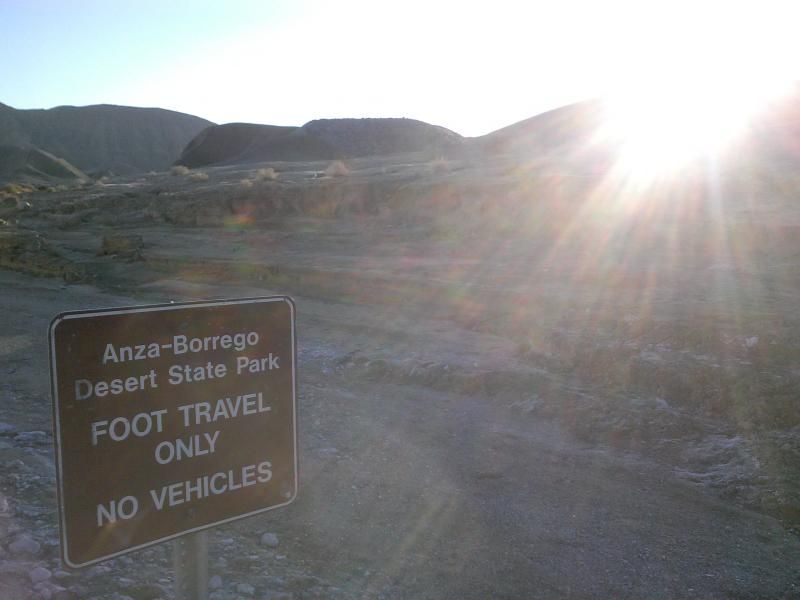
Parts of the wash were still muddy from the recent rains. My guidebook said that you'll accumulate about two inches of mud on your boots if its wet, but that's all part of the fun.
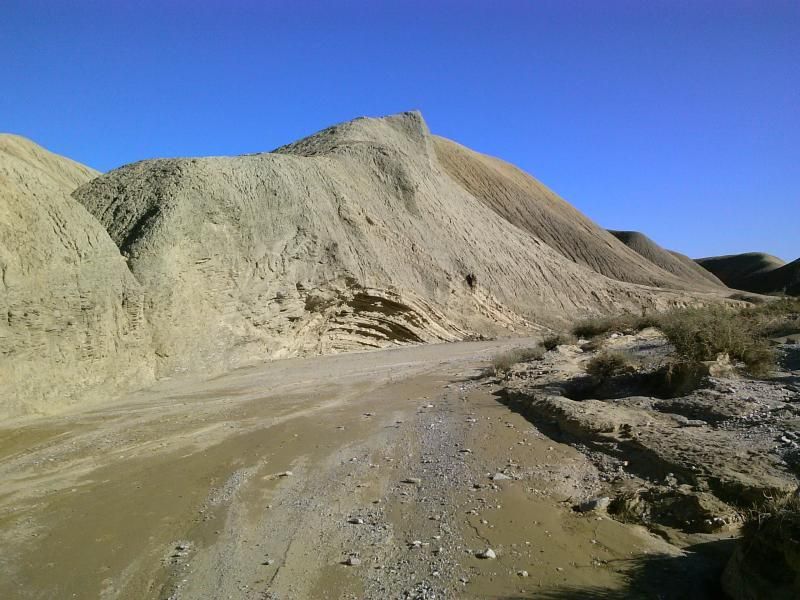
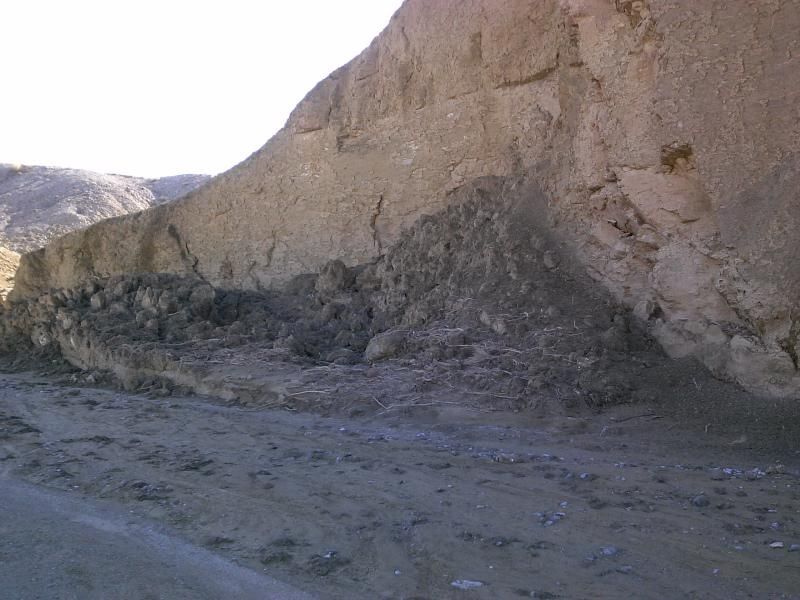
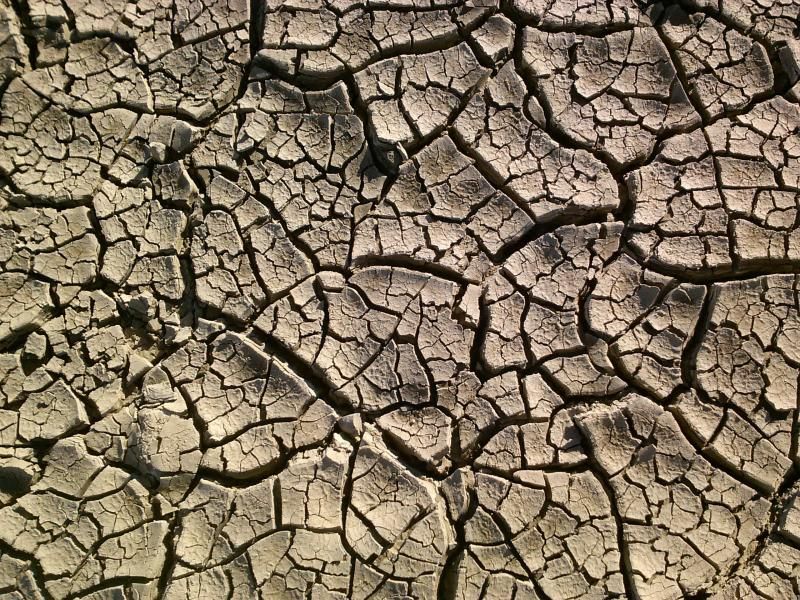
Walk past the "Closed to Vehicles" sign and follow the meandering path of Mud Hills Wash into the maze-like badlands. You may see such things as glass-like gypsum crystals, loose shells, indications of recent flooding (mud flows or mud curls) and lots of fragile plant life along the trail. Keep in mind that no collecting of fossils is allowed in the state park.
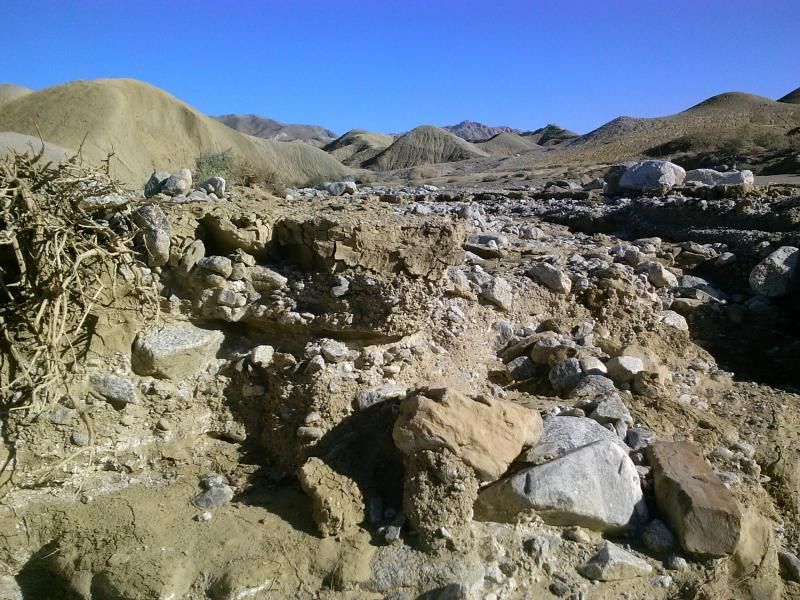


As you wind along, you should be able to keep the flat-topped Elephant Knees mesa in view. Keep following the main wash around to the right (west) as the object is to get to the backside slope of this formation, which you should arrive at in 1.5 miles.
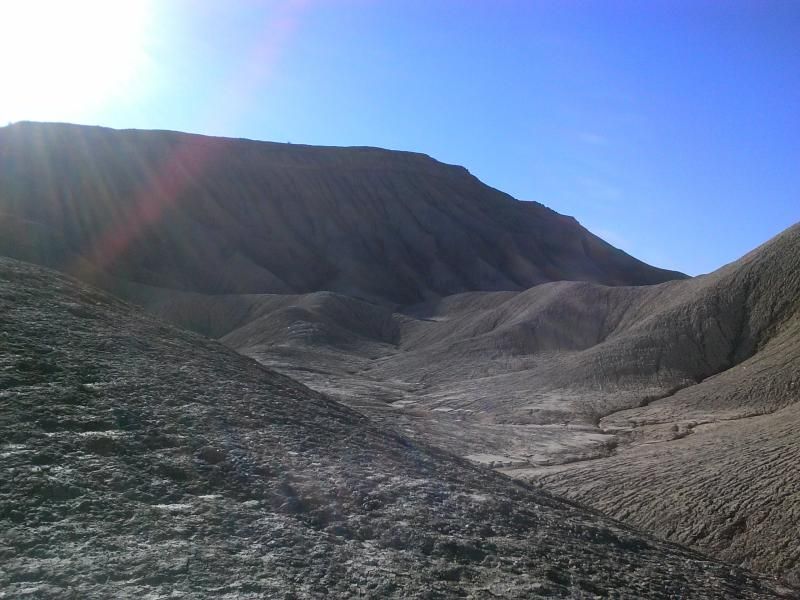
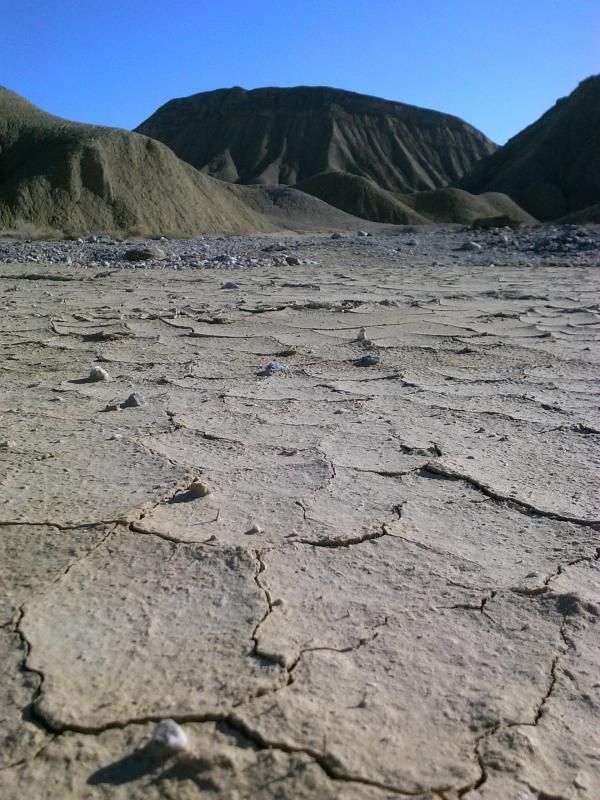
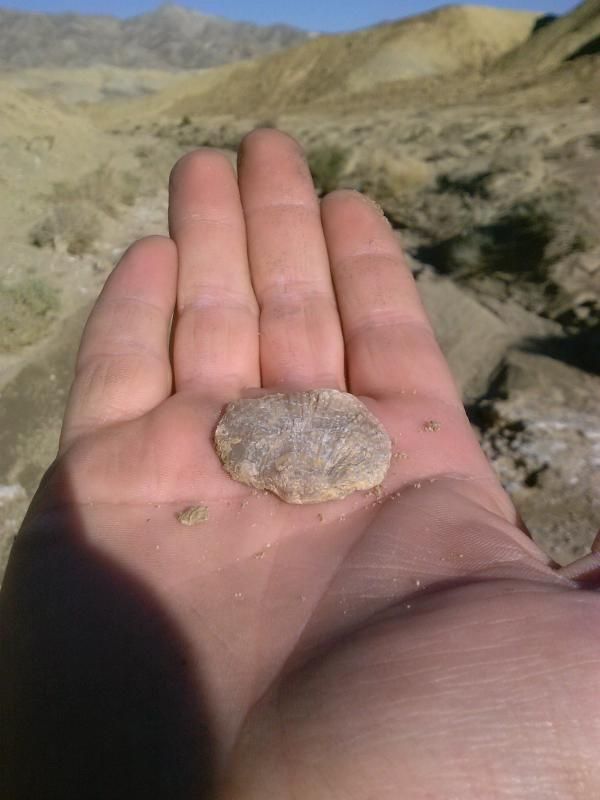
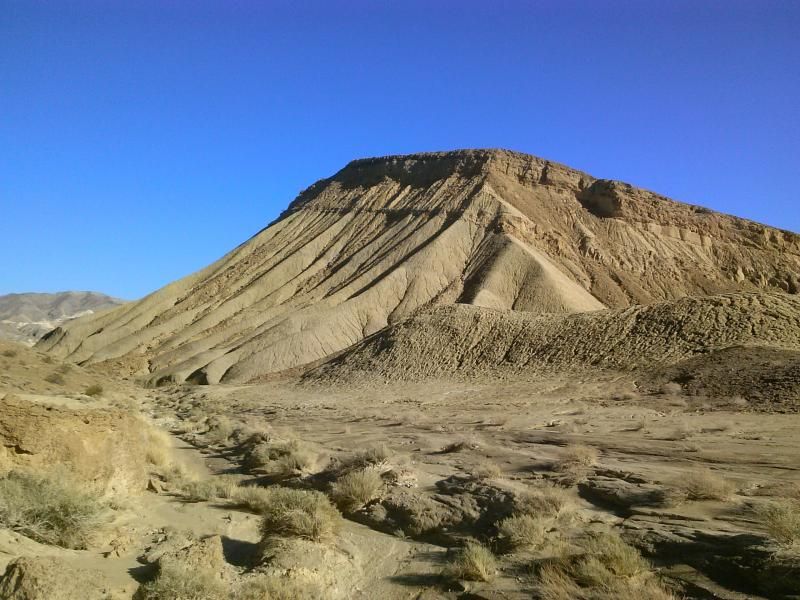
Making my way around the mesa, through the mud hills.
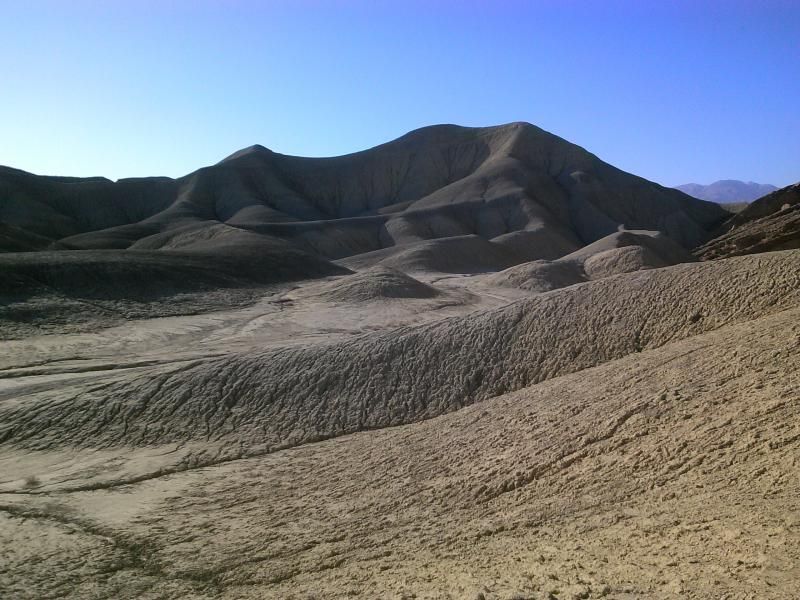
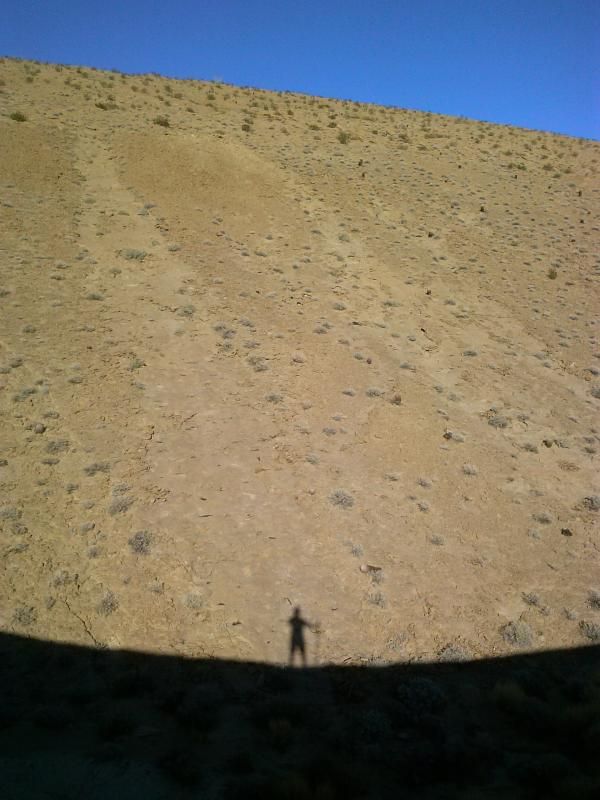
Falling into one of these would probably ruin my day.
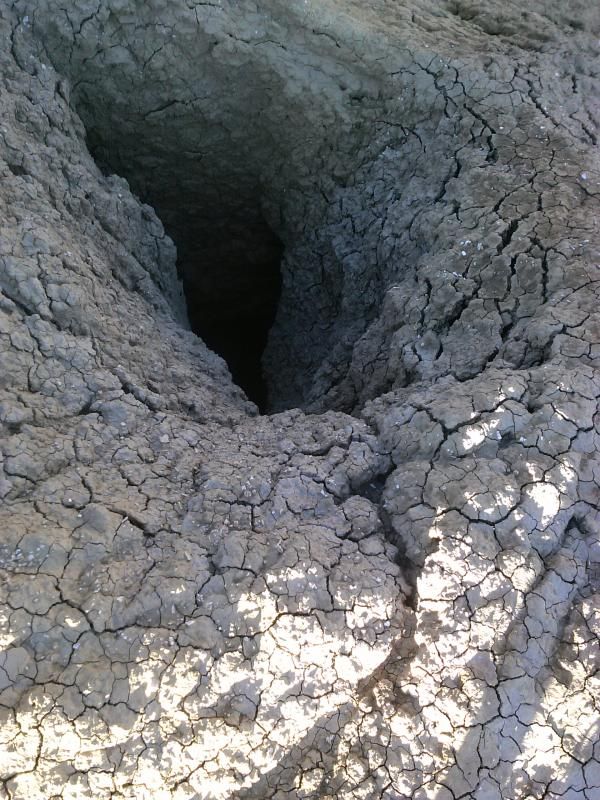
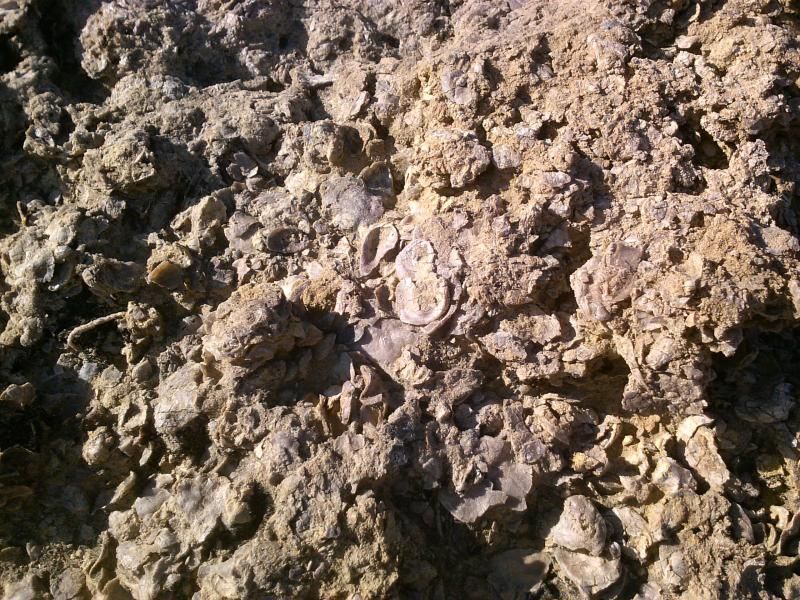
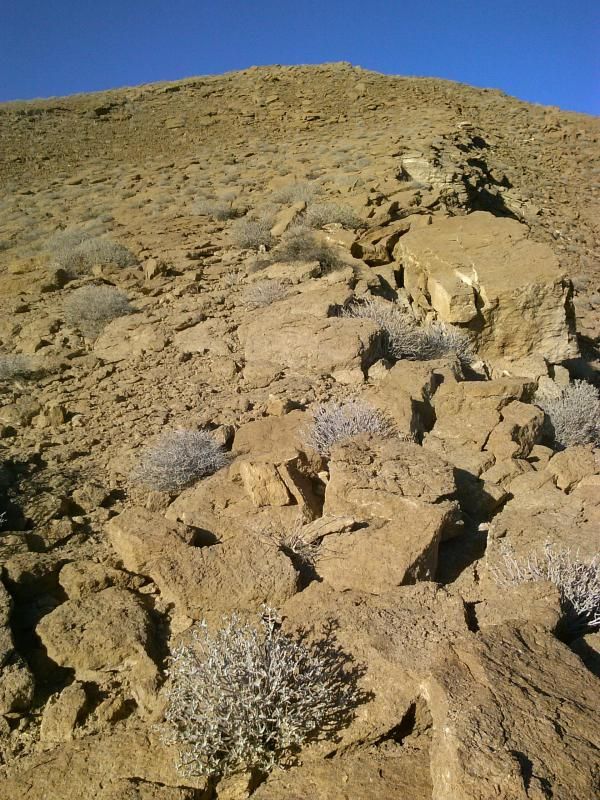
Here is where I began my assent to the top. These massive blocks are part of a 12 to 15 foot thick Oyster Shell reef embedded within the butte, left behind when it was still a part of the Gulf of California. Although the climb was very steep at times, it provided good traction, but its also razor-sharp, so I had to pick my way carefully.
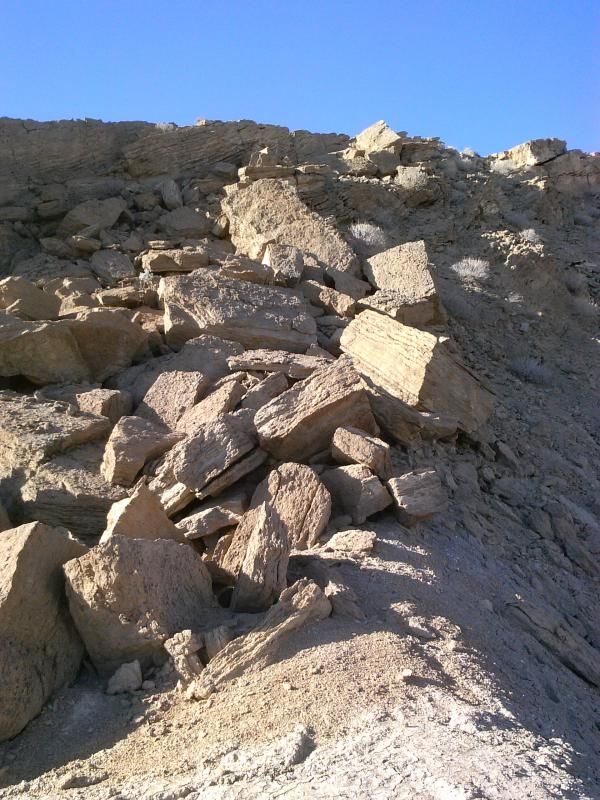
Looking back at my route up the butte.
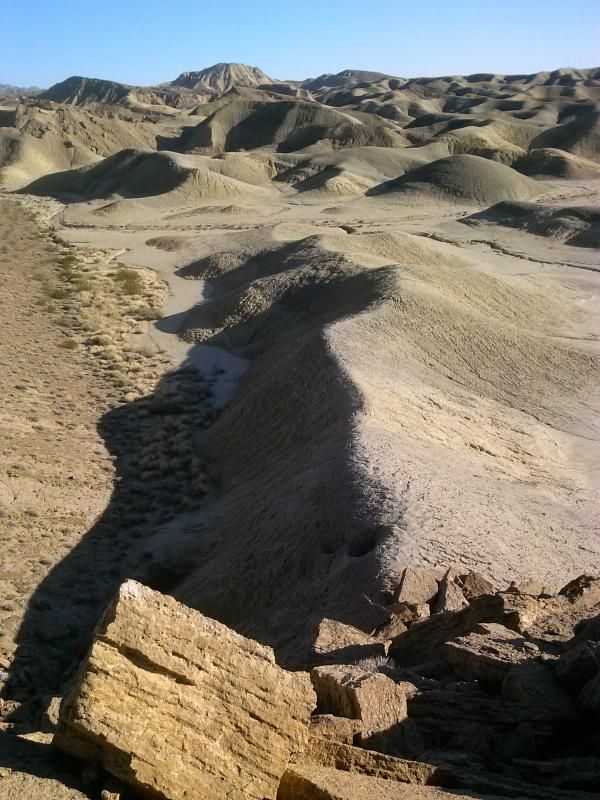
A close-up of the embedded Oyster Shell reef.
Still climbing.
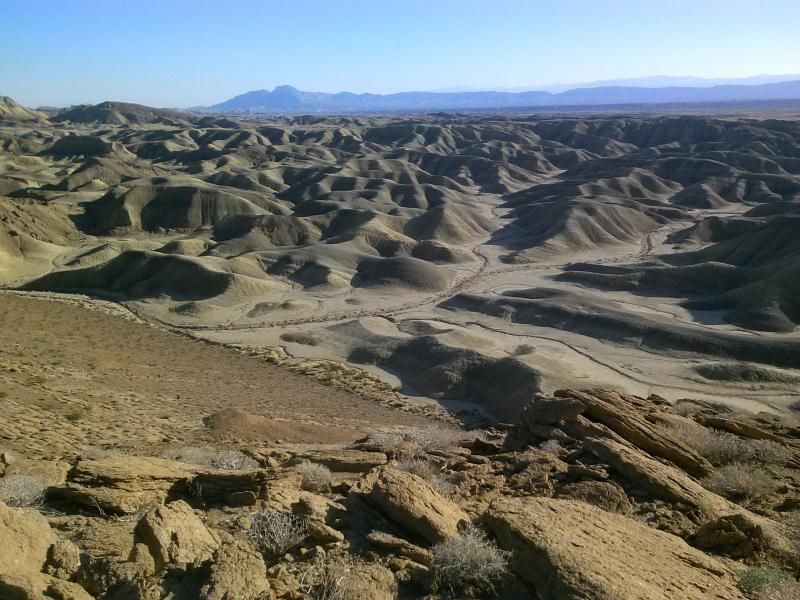
Looking southwest across the badlands with Carrizo Mountain in the distance.
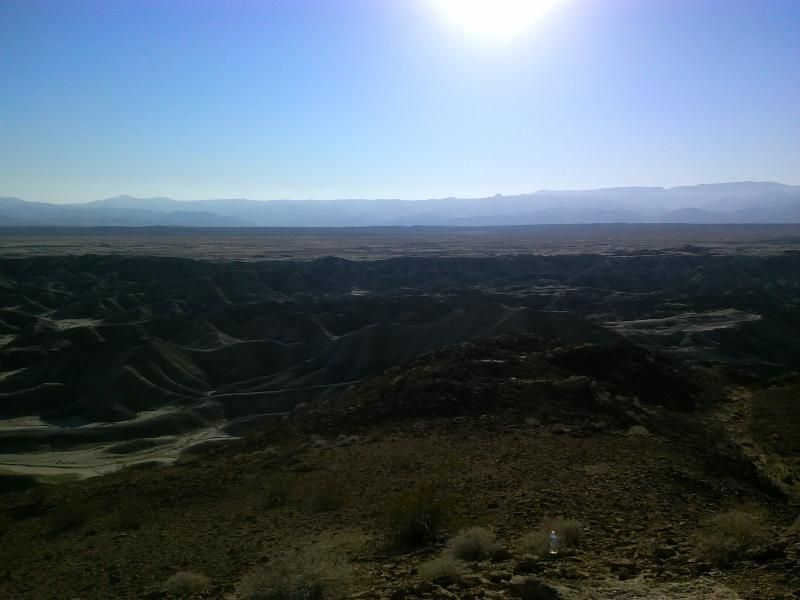
Looking west, I can make out the distant conical shape of Sombrero Peak.
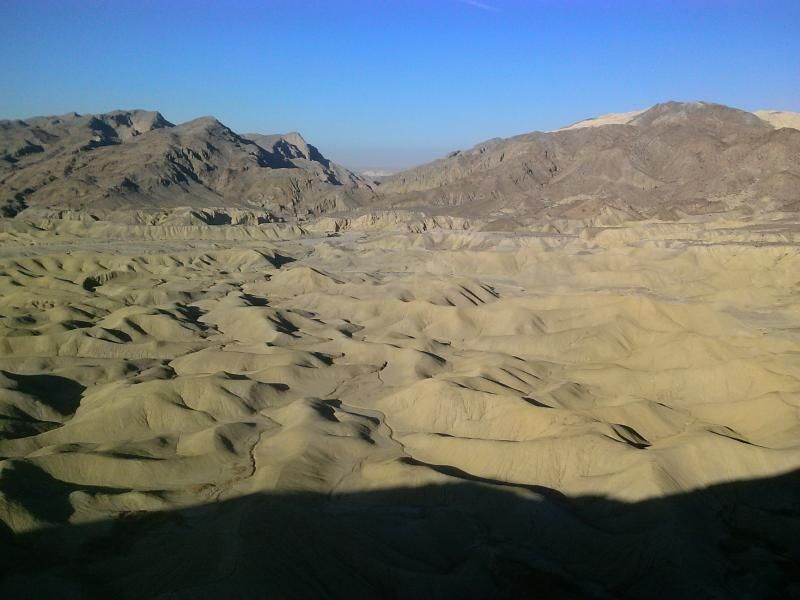
At the lip of the Elephant Knees formation you will be able to look down at the knees and the point at which you started your walk- and a large portion of Fish Creek Wash with its surrounding hills and mountains.
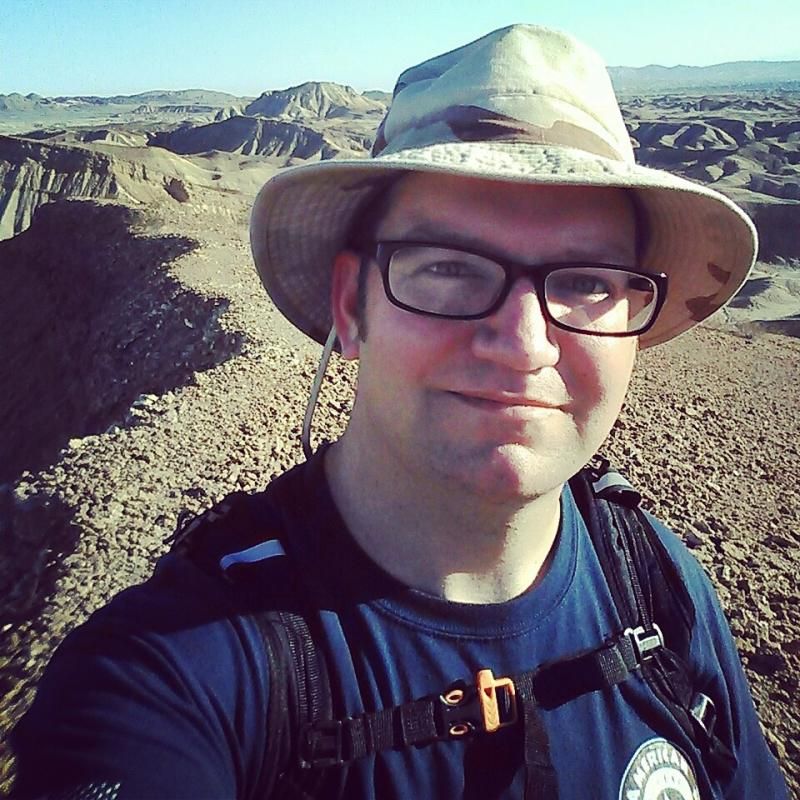
Selfie at the top!
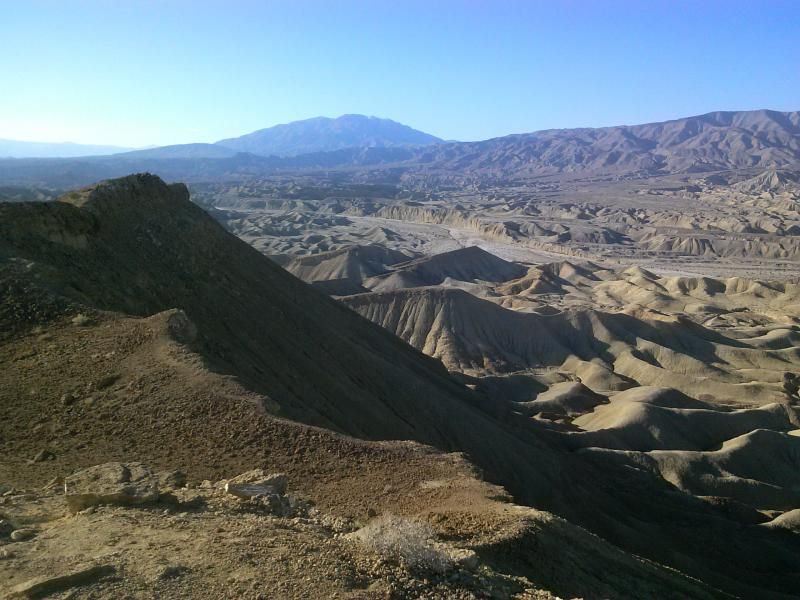
After taking in the views, I make my way along the lip of the mesa and back down into the mud hills. Walking along the edge was definitely exhilarating and the highlight of the hike.
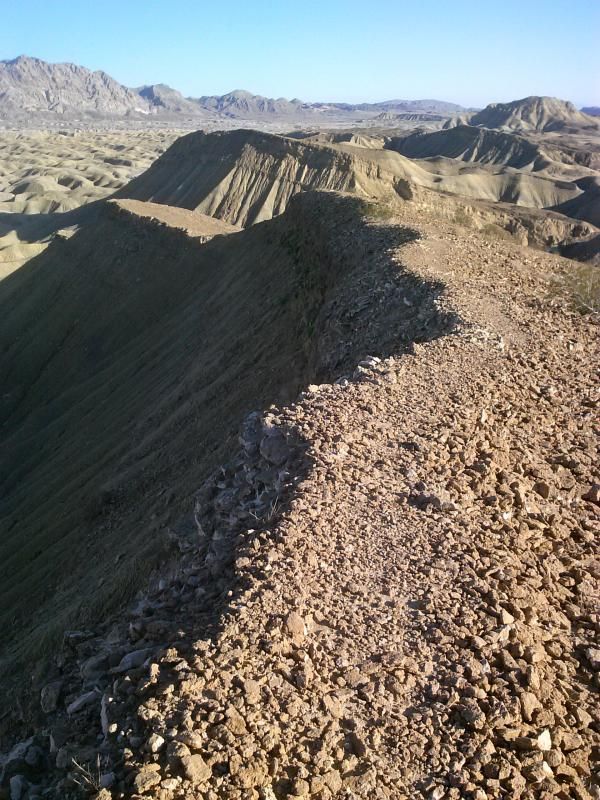

Last look at the Elephant Knees as I make my way back to Fish Creek.
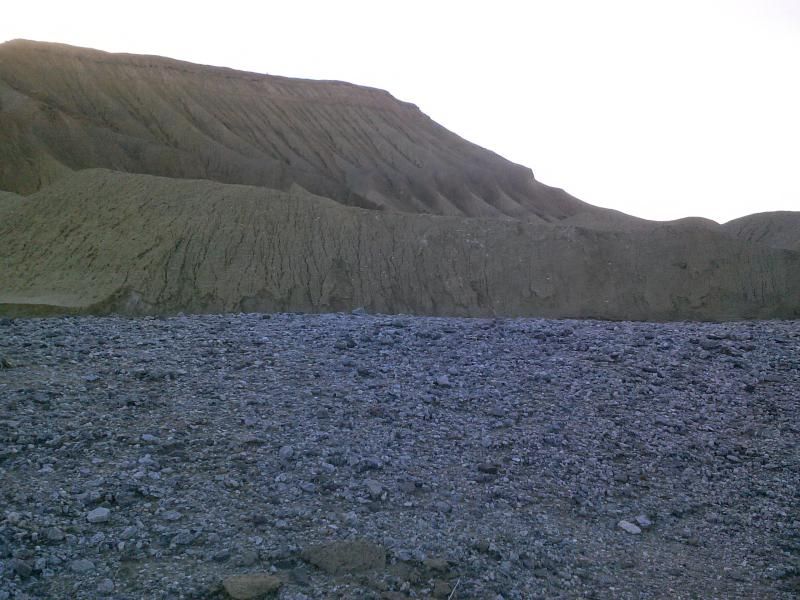
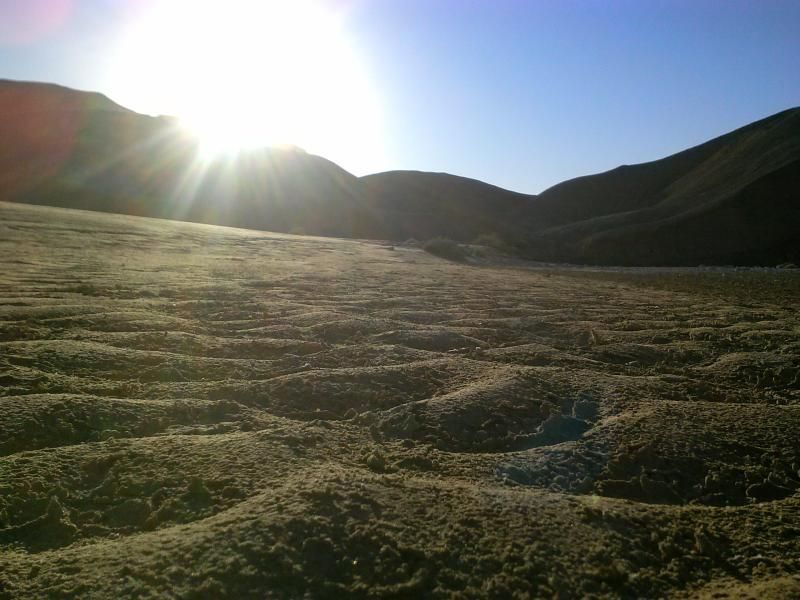
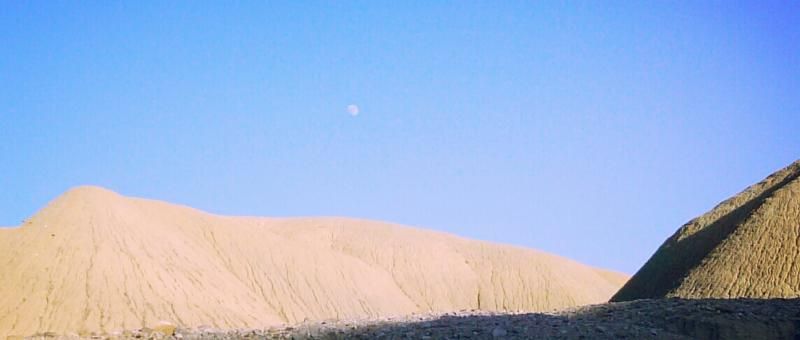
Moon rise over the mud hills.
Arriving back at my Jeep parked along Fish Creek Wash.

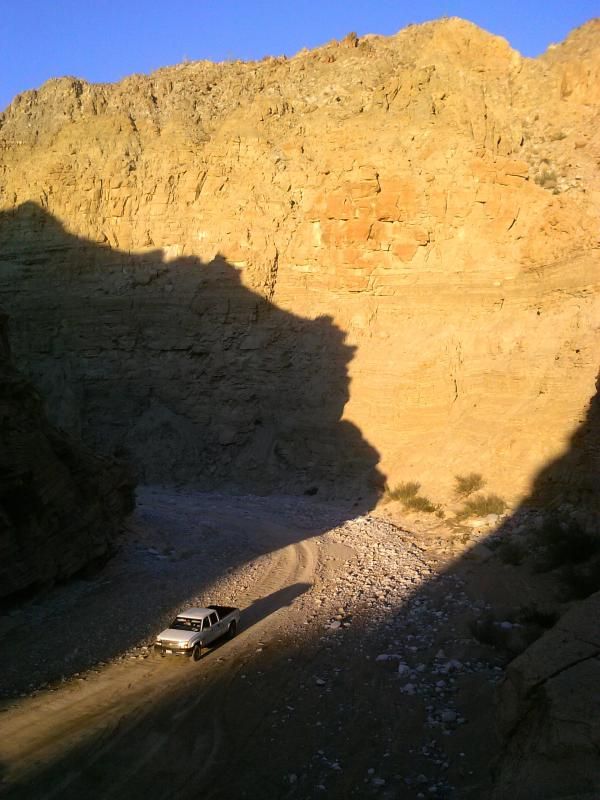
On the way out I stopped in the narrows of Split Mountain, along with a few others, to enjoy the views.

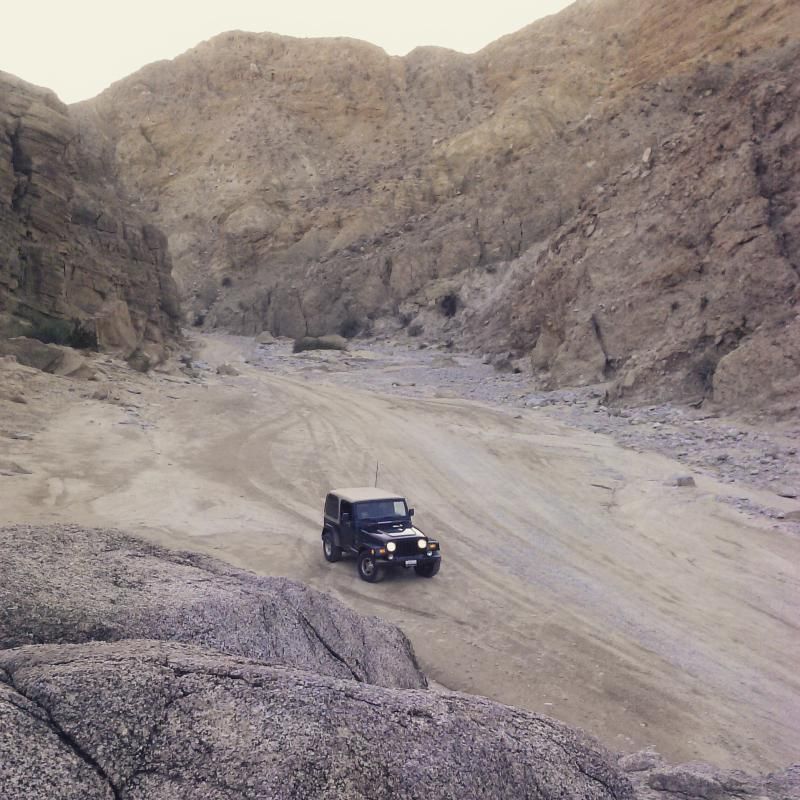
Some of my earliest and favorite memories of camping and exploring this area are here with my parents back in the 1980's. It was a great way to start the new year and I'm looking forward to getting out again soon. If you are interested in geology, fossils, or amazing desert terrain this area is a must see. Happy trails everyone!
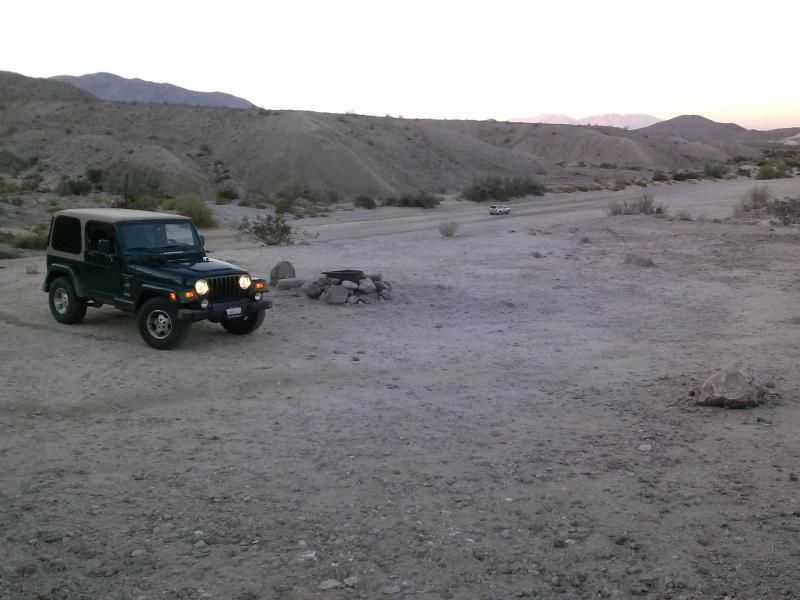


GETTING THERE: To find Mud Hills Wash, drive east on Highway 78 to Ocotillo Wells and turn right on Split Mountain Road. Drive south 8 miles until you cross a dry creek bed with a sign indicating Fish Creek Wash. Turn right (west) onto the dirt road leading into the wash and follow it 4.5 miles, bearing to the left at the Windcaves trail marker to remain in the main wash.

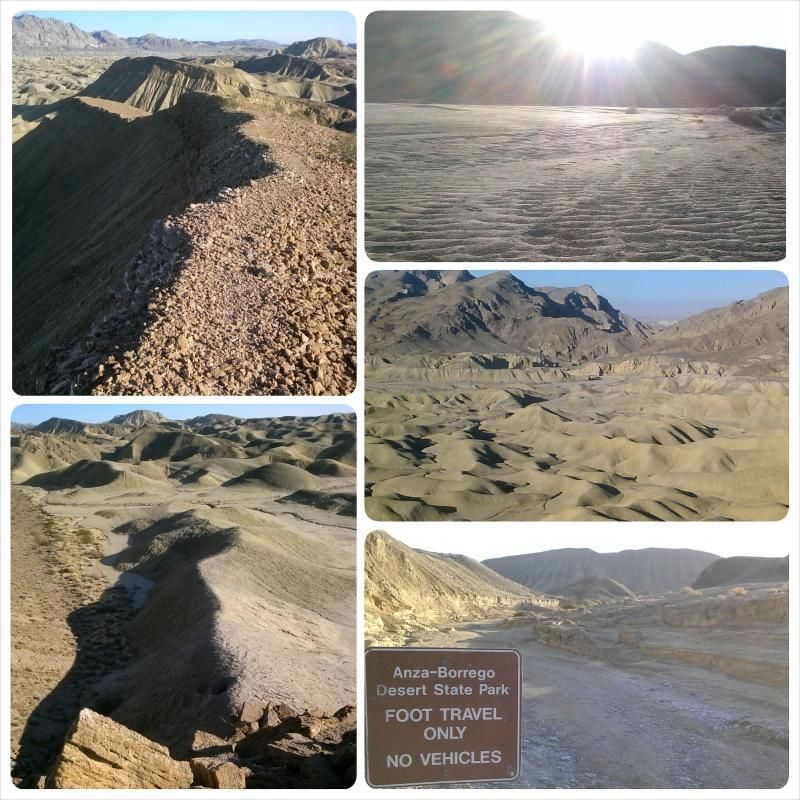

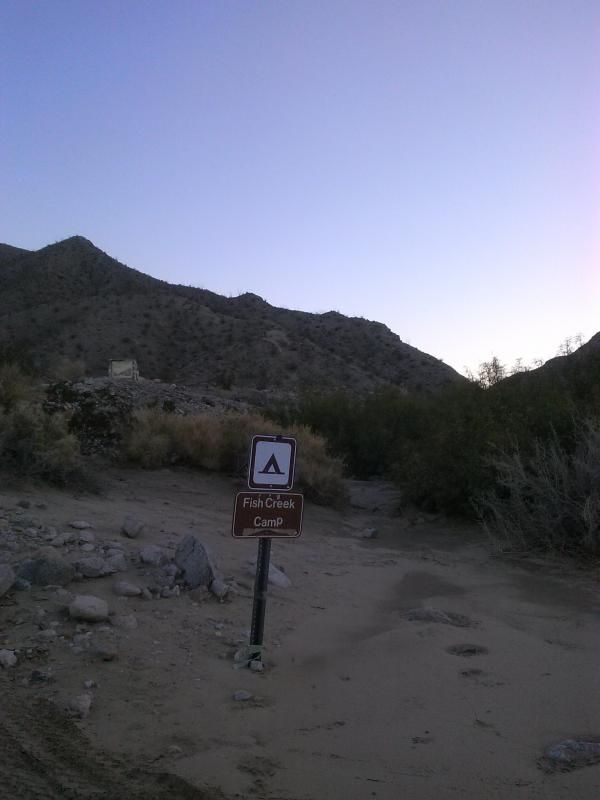
At 0.3 miles you should see the Oyster Shell Wash information panel, where your trek begins. Most times of the year the road into Fish Creek tends to be accessible to 2-wheel drive vehicles, although 4-wheel drive is always recommended. Check at the Visitor Center for road conditions before setting out on your adventure. As you travel along Fish Creek Wash on your way to the beginning of the hike you will be going through Split Mountain Canyon, which in itself is worth taking the time to see. Some people may prefer to begin their walk through this area beginning at the Fish Creek Primitive Camp. Doing so would add another 5 miles to your hike (round trip).


52 Hike Challenge Stats


Date: 01-01-2015

Distance: 5 miles
Elevation Gain/Loss: 675'/675'

Sunday, September 22, 2013

Anza-Borrego Adventure & Breakdown (2013 BorregoFest PreRun)


With Outdoor Adventure USA's 2013 BorregoFest event coming up, it was time to get out and check on the conditions of the trails. At 6am on Saturday, September 21st my good friend Ollie picked me up in El Cajon and soon we were headed east in his Toyota FJ Cruiser. Southern California's back country had experienced some major thunderstorms and flash flooding a few weeks ago so we were curious to see how this might have affected some of our local desert trails.


We made our way through the Laguna Mountains, past Lake Cuyamaca and fueled up in Julian before making our way down to the Oriflamme Canyon trail head in Banner.


This area is between Highway 78 in Banner and County S2 at the bottom of the grade from Box Canyon. Chariot Mountain is ringed by three trails. On the south is Mason Valley Truck Trail through Oriflamme Canyon. On the west is California Riding and Hiking Trail through Chariot Canyon and to the east is Rodriguez Spur Truck Trail through Rodriguez Canyon.


This route was known as the short cut through Julian to San Diego in the old days. In the mid-1800's the San Antonio and San Diego mail line, better known as the "Jackass Mail Line" traveled through Oriflamme Canyon to San Diego.  


Making our way down  Rodriguez Canyon, past Right Fender Ranch. We soon find that a few sections of the route ahead are washed out pretty good. Dropping a wheel into one of the many deep ruts we came across would leave one stranded without backup or a winch.


Our next stop was Blair Valley, which is situated between Granite Mountain and Whale Peak, accessible along County Road S-2 south of California Route 78. This region offers two-wheel drive accessibility, hiking trails, primitive camping, and cultural and natural history resources.


Blair Valley contains four established hiking trails: Marshal South Home, Pictographs, Morteros trails and a branch of the California Riding and Hiking Trail, which descendsfrom the Cuyamaca region and passes through Blair Valley on its way to the South HomeVisitor Center in Borrego Springs. This, the longest trail in the park, rises to nearly 5,000 feet and drops to below 1,000 feet in Borrego Valley, exhibiting a wide variety of different habitats.


Recreational vehicle campers enjoy the flat areas surrounding the Blair lake bed, while tent campers disperse farther out into the nearby Little Blair Valley. Afterward, we continued on to Vallecito Wash and Carrizo Creek. For thousands of years, the course of Vallecito Wash has been a refuge and trail for many native and immigrant Americans. Generations of Kumeyaay people camped along the springs here. The Mormon Battalion of 1847 passed here to join in the war between the Untied States and Mexico. This wash also follows a section of the 2,800 mile-long Butterfield Overland Stage route between St. Louis and San Francisco. The route operated from 1857 to 1861.


Carrizo Creek holds the location of the stagecoach station built for the Butterfield stage line that ran all the way from Missouri to San Francisco, starting in 1858. It looks like someone is working to restore the station or is just marking its location. Click the link below for more info on this historic site.

HISTORICAL AND ARCHAEOLOGICAL INVESTIGATIONS
OF THE CARRIZO CREEK STAGE STATION 


Further travel east of the Carrizo Station will bring you to the Carrizo Impact Area, used by the United States Navy as an air-to-ground bombing range during World War II and the Korean War. It is in the Anza-Borrego Desert in southeast area and covers about 45 square miles. The range is closed to the public due to the hazard of unexploded ordnance. Bombs ranging from 3 to 1,000 pounds, rockets, 20-millimeter cartridges and 50-caliber bullets were dropped and fired on the range from 1942 until June 1959. After that, the range was only used a few times. The first clearance of material occurred during late 1959 and early 1960 and the second in January 1965. A large amount of unexploded bombs and wreckage were found. An inspection in 1970 found only detonated or non-explosive ordnance, but it took place in only one day. Additional unexploded ordnance has been found on a regular basis since then.


Clearing the area of bombs is made difficult by the large number of munitions and the fact that they burrowed up to 30 feet into the ground after being dropped from aircraft, although some have worked their way up to the surface through natural processes. Despite the area receiving the highest classification of hazard from unexploded ordnance, the area is considered low priority for cleanup because its remote location makes it unlikely that anyone (except maybe folks like me) will be hurt by it.


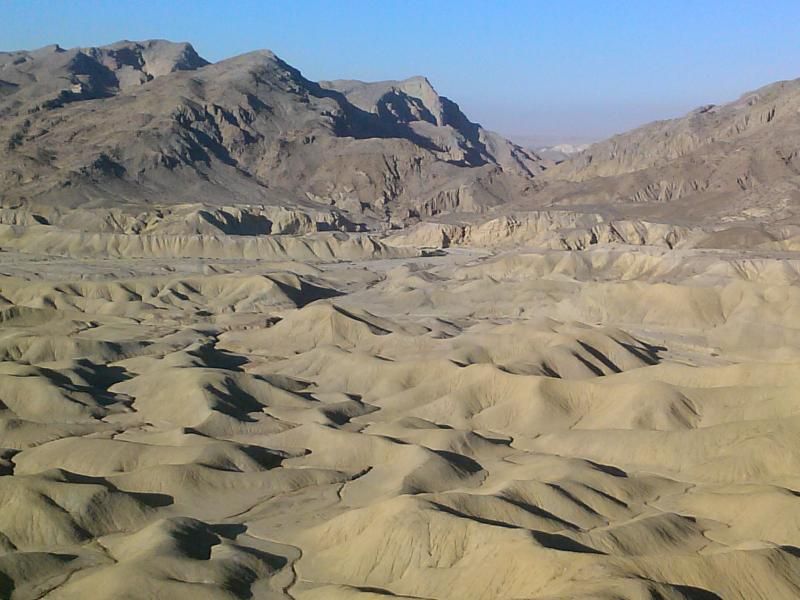
Exiting Carrizo Creek and back into Valliceto Wash, we turned north into the twisting canyon of Arroyo Seco del Diablo (Spanish for "Devil's Dry Wash). This area is part of the Carrizo Badlands, an ancient alluvial fan from the ancestral Colorado River, which emptied into the Gulf of California as a delta outlet. Arroyo Seco del Diablo has cut through the hardened sandstone concretions carried downstream from afar to create the deep-sided canyon this trail follows today.


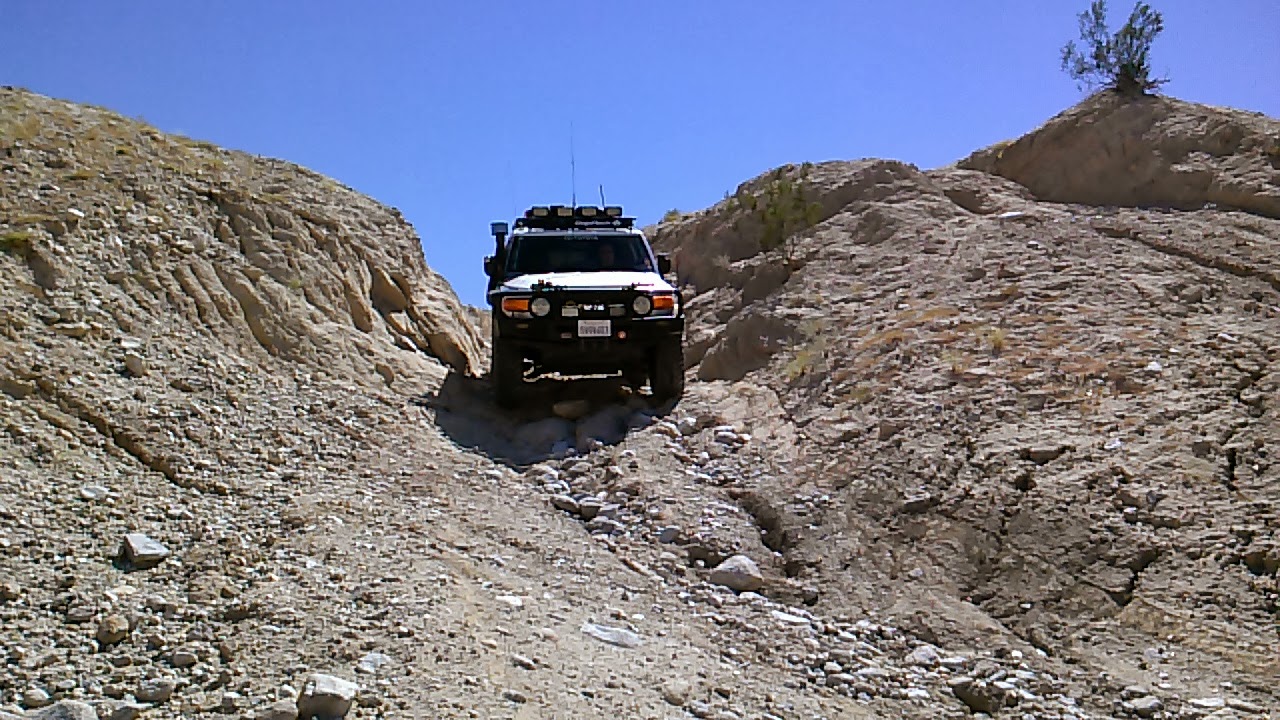
To get to Fish Creek we would have to descend Diablo Drop Off and into a narrow canyon called Broken Shaft Gulch. The drop-off is made up of two descents with a break in the middle. The first drop is usually steep with loose sand and ruts but on this trip a found major damage from the recent rains. The second part, which is a narrow slot with large steps and wheel rut, wasn't really affected from the storms.


Shortly after descending the drop off and entering the gulch, I perched myself atop a ridge to get a few shots of Ollie's FJ making its way through a few rocky sections. As the vehicle started to climb a boulder it suddenly died. Ollie tried starting it again but to no avail. We were suddenly stranded in the desert.


When your broke down you might as well break out the beer! A couple of Jeeps ended up coming up the canyon from the opposite direction so it was nice to know we weren't totally alone out there. However, Ollie already had us in contact with our wives and some friends who could help us via HAM radio. After a few hours of troubleshooting we managed to find a little 20amp fuse for the electronic fuel injection that had blown. After replacing it the FJ started right up. We were saved! It was bittersweet finding such a simple fix to our situation.


Fish Creek on the eastern edge of the park south of California route 78, is an area of sparse vegetation and abundant wildlife. Some of the main attractions of the Fish Creek area are the beautiful twisting canyons, oddly shaped caves and raised fossil reefs. The sun was getting low as we made our way through this fascinating area and back towards the pavement of Split Mountain Road.


Cruising through Split Mountain puts drivers at the base of shear sandstone cliffs, rising perhaps a hundred feet or more from the dusty bed of Fish Creek. Split Mountain was formed by an ancestral stream that divided the Vallecito Mountains from the Fish Creek Mountains. Geology students and park visitors from all over the world come to study it and enjoy its rugged, awe-inspiring beauty.


Soon this truly adventurous day came to a close. Unfortunately, vehicle problems prevented us from covering as much ground as we wanted too, but its all part of the experience of exploring the back county. So its always good to be prepared. We had enough water and food to stay with the rig for awhile or bug out if needed; we also had a way to communicate with others. With more than 600,000 acres, Anza-Borrego Desert State Park has countless areas that one can explore. I'll be looking forward to getting out here again in October for OAUSA's 2013 BorregoFest event.